
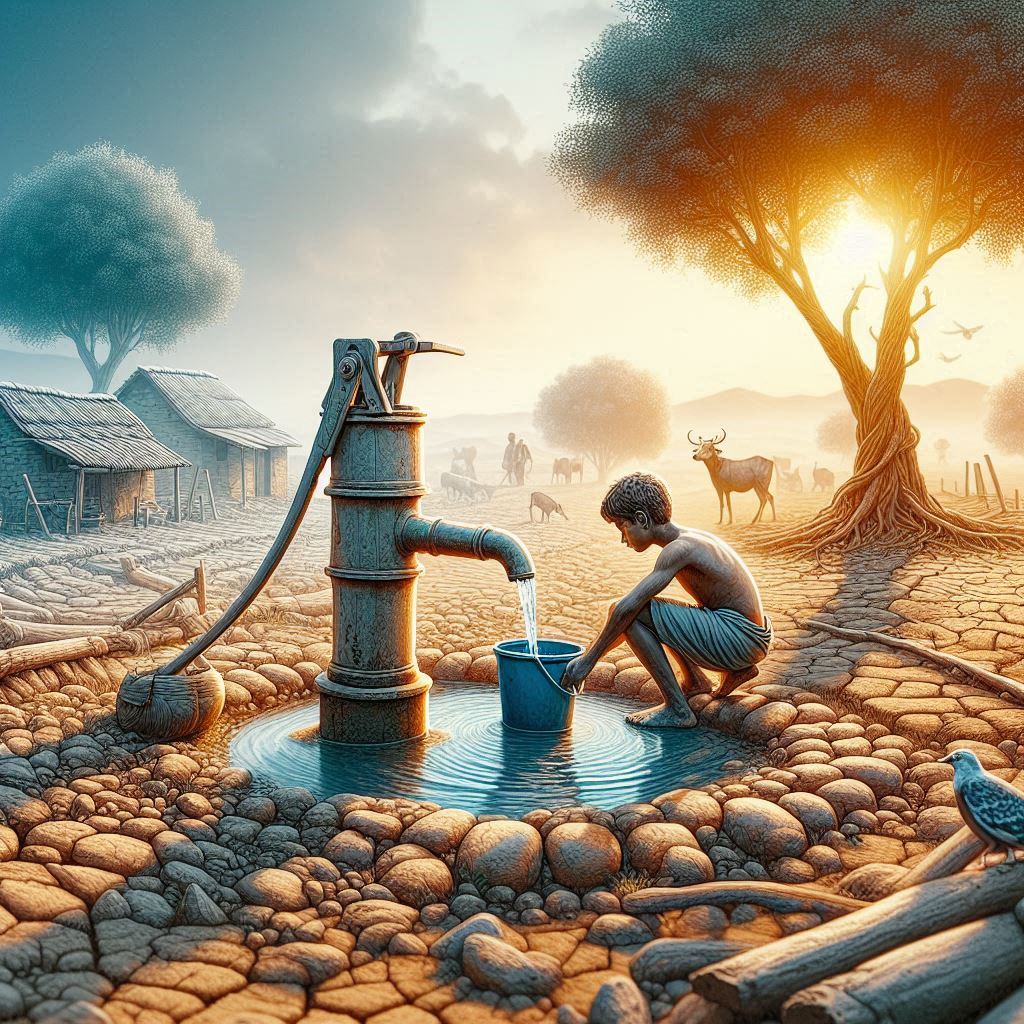
Bore well water comes from deep under the ground. It is a common source of water in many villages, towns, and even cities. People use bore well water for drinking, cooking, washing, and farming. It is taken by digging deep into the earth using a machine called a bore drilling machine.
Bore well water often looks clean, but it may not always be safe. It can contain minerals like calcium, iron, and magnesium. In small amounts, these are not harmful. But sometimes, the water also has salt, fluoride, arsenic, or even harmful bacteria. These can make people sick if the water is not tested and treated properly.
One big challenge with bore well water is hardness. Hard water has too many minerals, which can damage water pipes, taps, and even make it harder to form soap lather. Another problem is pollution. If there are factories, toilets, or dirty drains nearby, the bore well water can get mixed with chemicals or waste. This can be very harmful to health.
Also, overuse of bore wells can lower the underground water level. In some areas, bore wells dry up, especially during summer. Digging deeper is costly and may still not solve the problem.
To make sure bore well water is safe, people should:
Test the water regularly.
Use water filters or treatment systems if needed.
Avoid using harmful chemicals near water sources.
Recharge groundwater by rainwater harvesting.
Bore well water is helpful, but we must use it wisely and keep it clean.